Ottawa keeps international student targets low through 2029, and Ontario campuses keep paying for it
The 2027–2029 Immigration Levels Plan allows up to 150,000 new international students a year. Ontario colleges and universities are still absorbing the enrolment and tuition losses from Ottawa's 2024 study permit cap.
The federal Liberals’ 2026 budget keeps international student arrival targets low through 2029. For Ontario’s colleges and universities, that means the tuition revenue they lost after Ottawa capped study permits isn’t coming back. It’s been less than three years since Justin Trudeau’s government reversed course on international students, after years of letting enrolment grow fast.
The 2027–2029 Immigration Levels Plan, released alongside the Nov. 5 budget from Prime Minister Mark Carney’s government, sets a target of up to 150,000 new international student arrivals a year. That’s down from 155,000 in 2026. Ottawa had already set the 150,000 figure for 2027 and 2028; the new plan carries it through 2029. The numbers cover new arrivals across Canada only. Study permit renewals aren’t counted.
Years of growth, then a steep drop
International enrolment at Canadian public colleges went from about 58,000 in 2014–15, the year before Trudeau took office, to nearly 289,000 in 2023–24, according to Statistics Canada. That’s close to five times as many students, and Ontario had the biggest share. Back in 2020–21, international students made up 30 per cent of Ontario public college enrolment and paid 68 per cent of the colleges’ tuition revenue, Ontario’s auditor general found.
Study permit applications more than doubled between 2019 and 2023, and in January 2024 the Trudeau government brought in a cap. It hit harder than Ottawa planned. Canada’s auditor general found that between fewer applications and lower approval rates, the immigration department approved fewer than half the new study permits it had projected for 2024. The department couldn’t say why approval rates came in so low.
New students took the biggest hit. Across 23 of Ontario’s 24 public colleges, first-semester international enrolment fell 48 per cent, from about 91,300 in September 2023 to 46,600 in September 2024, according to figures in a college faculty arbitration award. Statistics Canada’s broader count, which includes returning students, shows Ontario’s public colleges lost 28,875 international enrolments in 2024–25, a drop of 13.6 per cent. Ontario universities had 7,455 fewer, down 6.7 per cent. Both were the largest losses by number of any province.
The enrolment shock reached classrooms and payrolls
The arbitration award tied the drop in new students directly to lost international tuition. By spring 2025, Ontario colleges had cancelled or suspended more than 600 programs, or announced plans to. By June 2025, 19 colleges had reported more than 8,000 actual or planned job cuts among faculty and support staff.
"*" indicates required fields
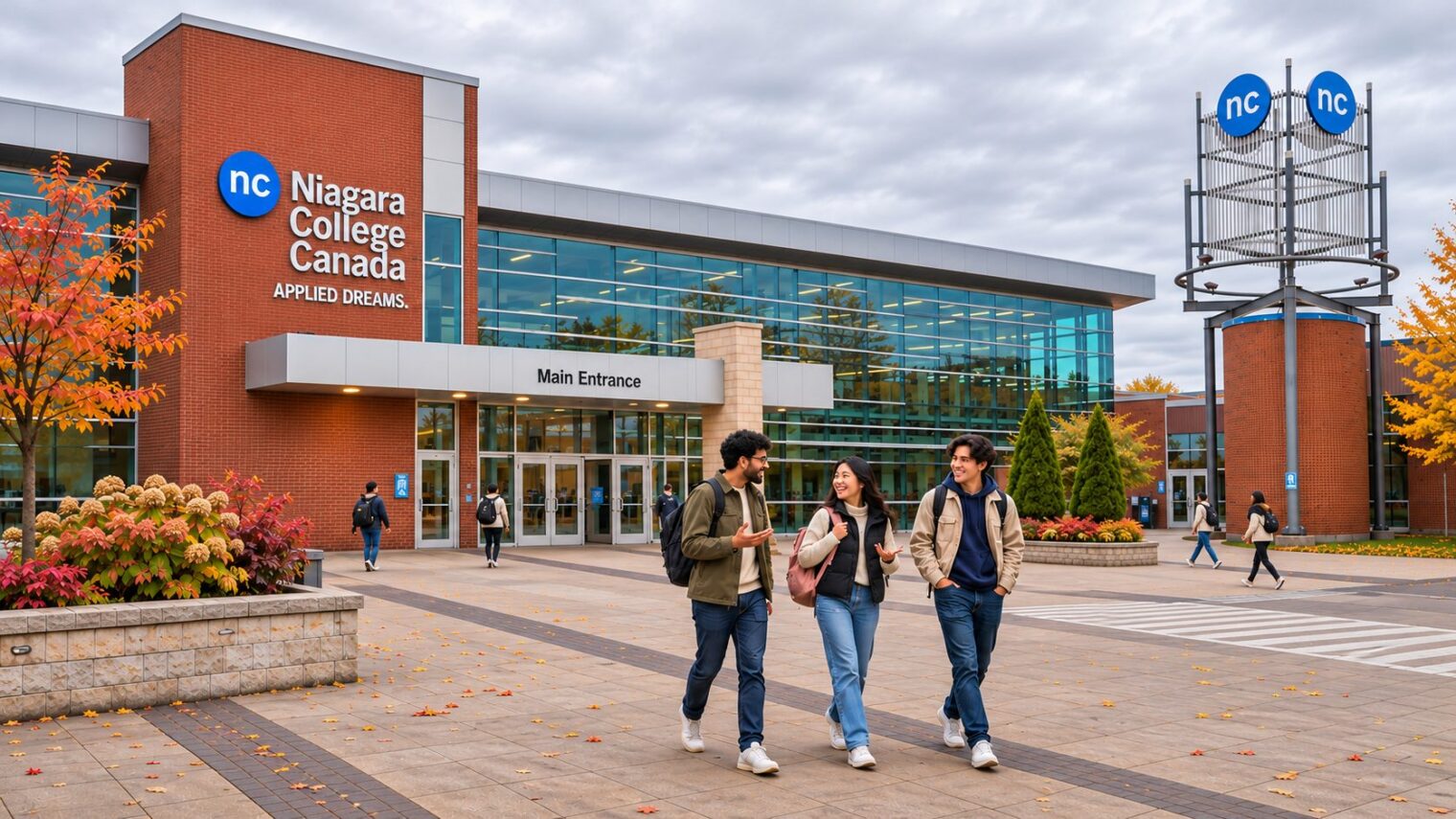
Close to home, Niagara College pointed to enrolment shifts driven by federal policy when it paused new intakes for 2026 in programs including supply chain management, hospitality and electronics engineering.
Brock University flagged federal study permit caps as a significant risk in its 2025–26 budget. It planned for 442 fewer international undergraduates than in its previous budget, a 30 per cent drop worth $12.4 million in projected tuition. Brock’s official 2025–26 headcount shows 1,559 international students at all levels, out of 19,075 students in total.
With Ottawa holding arrival targets down through 2029, Ontario’s colleges and universities have several hard years ahead. The federal Liberals let enrolment climb for years, then shut off much of the flow of new students with little time for schools to adjust. Campuses are still paying for that reversal in lost tuition, fewer programs and fewer jobs.


