Licensed gun owners take challenge to Ottawa’s 2020 firearms ban to Supreme Court
Gun owners argue Ottawa overstepped its authority by banning rifles they had lawfully used for years and left them guessing which models were covered.
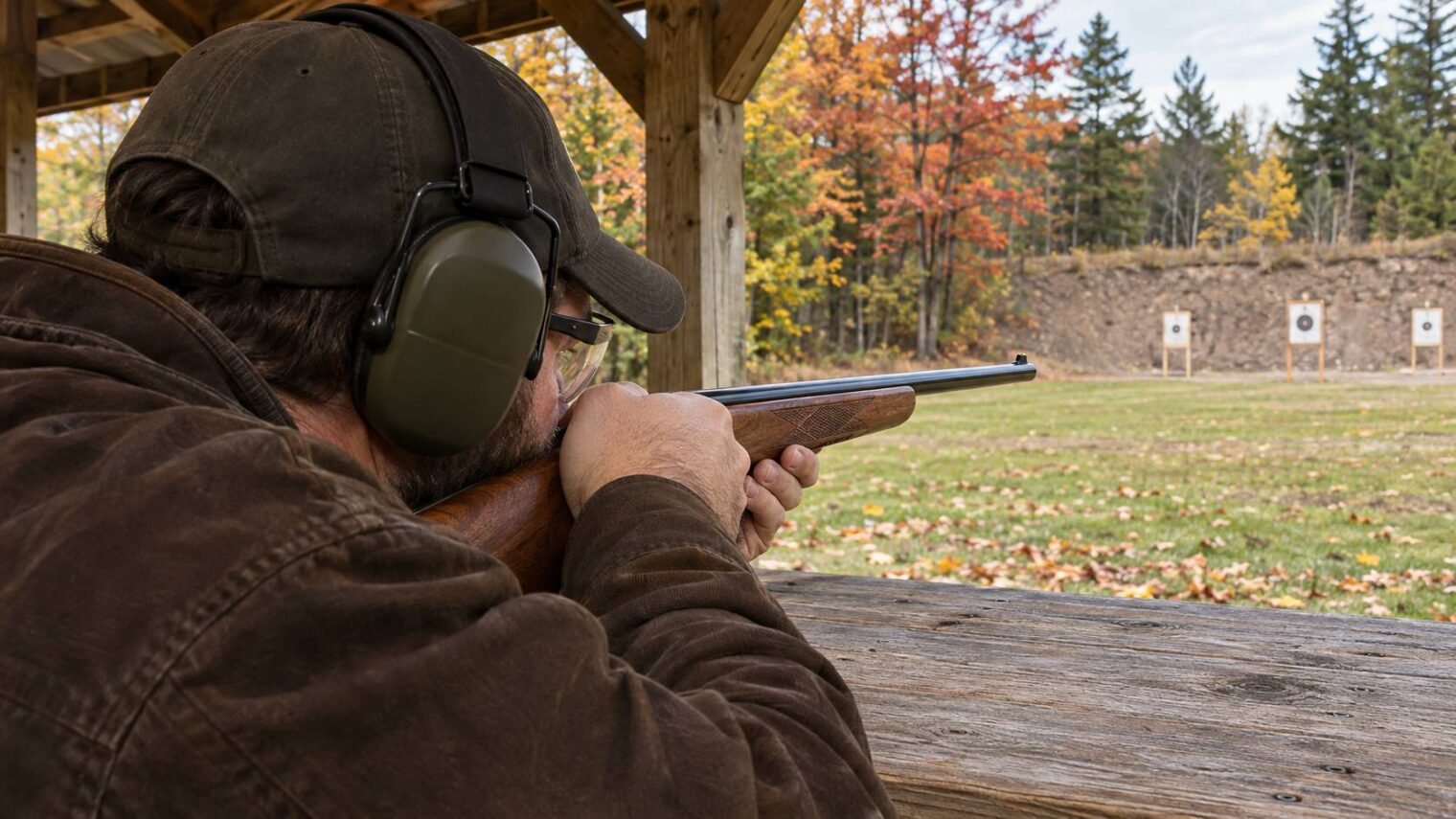
For some licensed gun owners, a rifle they had bought legally and used for years became prohibited on May 1, 2020. On Monday, the Supreme Court of Canada will begin hearing four appeals that ask whether federal cabinet had the authority to make that change and whether the rules gave owners a clear way to know which firearms were covered.
The Trudeau government’s regulations initially covered more than 1,500 makes and models, along with their variants. They included the AR-15 and the Ruger Mini-14. Before the ban, most firearms in the AR family were already restricted, while most Mini-14s were classified as non-restricted. The new rules moved both into the prohibited category. For affected owners, that generally meant losing the ability to use or sell firearms they had lawfully acquired.
The Canadian Coalition for Firearm Rights is among those challenging the rules. The court will hear its appeal alongside cases brought by Christine Generoux, Michael John Doherty and Jennifer Eichenberg, each with other appellants. The legal challenge has already gone through two courts. The Federal Court dismissed it in 2023, and the Federal Court of Appeal dismissed the appeals in 2025.
What gun owners are asking the court to decide
Parliament gave cabinet the power to classify firearms by regulation. It also put a limit on that power. Under section 117.15 of the Criminal Code, cabinet cannot use that authority to prohibit a firearm if, in cabinet’s opinion, it is reasonable for hunting or sport shooting in Canada. The challengers argue that some of the newly prohibited firearms had long been used lawfully for those purposes and that cabinet exceeded the authority Parliament gave it.
The words “in the opinion of” matter. The law gives cabinet room to make that judgment. The appeals ask how closely courts should examine the reasons cabinet gives, particularly when gun owners point to years of lawful use. The Federal Court found that cabinet had acted within its authority and could reasonably conclude the firearms were unsuitable for hunting or sport shooting given their characteristics and potential to cause serious harm. Ottawa has said the restrictions are intended to reduce the risk of severe harm in mass shootings.
How is an owner supposed to know what’s banned?
The coalition also challenges the use of the word “variant.” The regulations cover variants of named firearms, including future variants. The coalition argues that the term is too vague. That creates a practical question for owners who followed the licensing rules and bought their firearms legally. If a model isn’t named, how can its owner reliably tell whether it falls under a prohibition carrying potential criminal consequences?
"*" indicates required fields
Canada’s Supreme Court has treated recreational firearm possession as a regulated privilege. The owners’ case raises a question that applies even within that system. When the government changes what people may lawfully possess, did it stay within the limits Parliament set and make the new rules clear enough for people to follow?
The appeals concern the May 2020 regulations. Ottawa added other firearms to the prohibited list in later rounds, so a ruling on the original ban would not by itself decide the validity of every later addition.
The court is scheduled to hear from the challengers and the federal government Monday, beginning at 9:30 a.m. ET. Ontario, Saskatchewan and Alberta are scheduled to make submissions Tuesday, along with interveners including the Canadian Coalition for Gun Control and the British Columbia Civil Liberties Association. Both days will be streamed on the Supreme Court’s scheduled hearings page.

