Nvidia brings back Jensen Huang as CEO 11 days after he resigned
The board voted unanimously to reinstate its co-founder after Donald Trump publicly called for his return. An internal probe into whether foreign intelligence targeted Huang is still going.
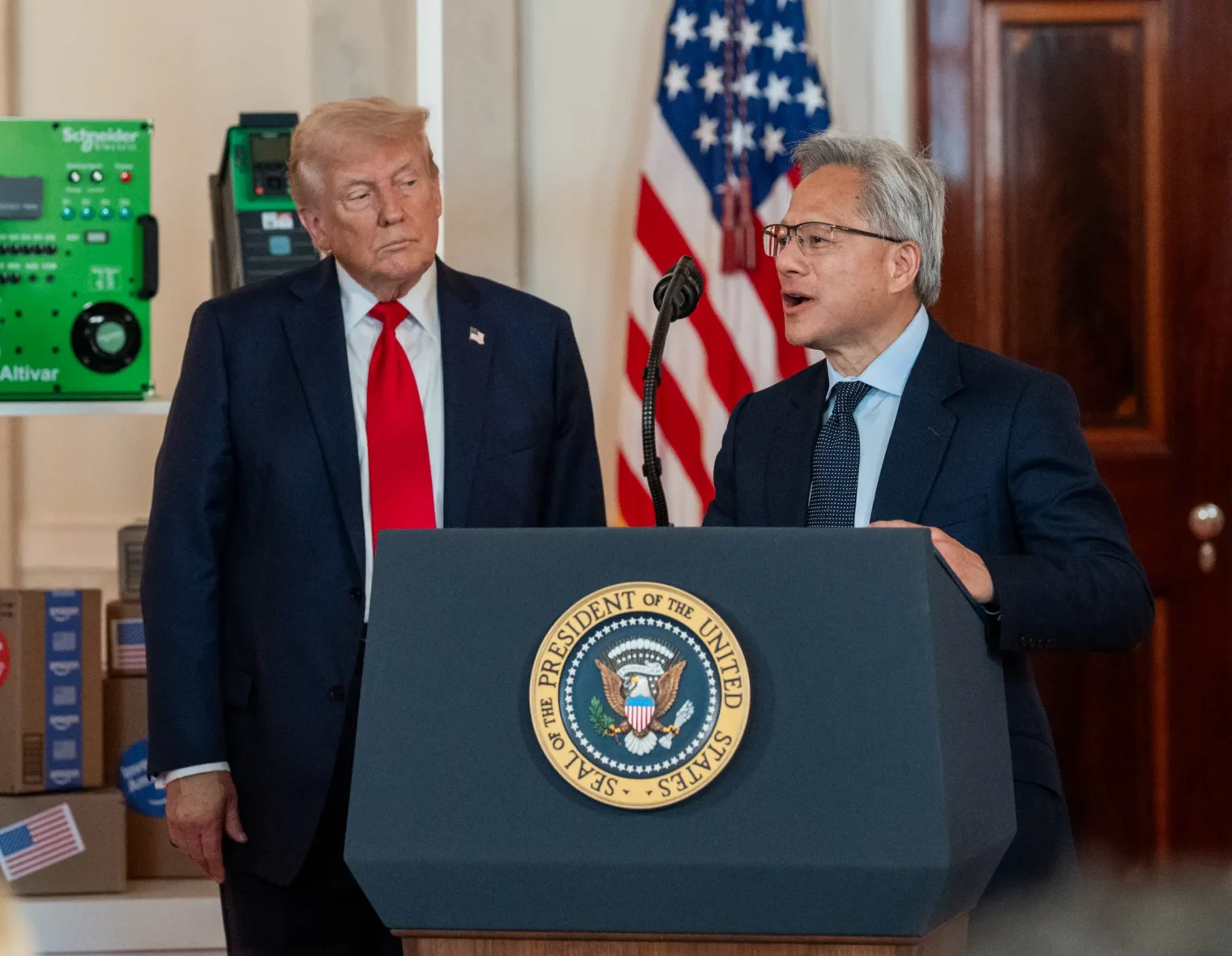
Nvidia’s search for a new CEO lasted less than two weeks. On Monday, the company said Jensen Huang was back as chief executive and president, and that he’d get his board seat back too. The stock opened 33 per cent higher.
Just days earlier, the board had said it had no plans to reinstate him, even after Huang let it be known he’d be willing to come back. Since then, directors met with him several times and voted unanimously on Sunday to reverse course, according to an SEC filing.
Nvidia said it heard from senior U.S. officials before the vote and that the board is confident bringing Huang back doesn’t pose a national security risk. The company didn’t say who those officials were or what they told the board. Trump, who had pushed for Huang’s return, told CNBC on Monday that his administration assured Nvidia there were no national security concerns.
“I take this responsibility with the greatest humility and renewed commitment,” Huang said in the company’s announcement. Colette Kress, who ran the company as interim CEO, goes back to being CFO. Harvey C. Jones, who became board chair when Huang left, keeps that job.
Why he left
Huang resigned on Nov. 12 after admitting to an extramarital affair. The New York Times reported that U.S. intelligence officials suspected the woman, a businesswoman, of spying for China. Beijing denied trying to target Huang, the Associated Press reported.
That got Washington’s attention fast, since Nvidia chips power a huge share of AI training and inference. The company was already under scrutiny over whether export-controlled chips had ended up in China. Reuters reported that some Chinese customers cancelled or paused orders after Huang left, and the quarterly forecast Nvidia put out while he was gone assumes zero data centre revenue from China.
"*" indicates required fields
Huang started Nvidia in 1993 to make graphics chips for games and multimedia. Under him, the company opened its GPUs up to scientific computing, which is a big part of why they became the default hardware for AI. The quarter Nvidia reported while Kress was in charge shows how far that went: US$115.8 billion in revenue, more than double the year before.
The investigations aren’t over
A committee of independent directors, working with outside lawyers, will finish looking into whether Huang was targeted by a foreign intelligence operation. Nvidia says Huang supports the review and will cooperate. A separate board committee will handle export compliance and national security risk, and the company is hiring a chief compliance officer.
Huang will also have to answer questions in Washington. According to the AP, he’s set to sit for an interview next week with three House committees looking into the security fallout from the affair and the suspected diversion of Nvidia chips to China.