Ontario deficit climbs to $16.9 billion as balanced budget pushed back
Fall economic statement outlines business tax relief and industrial support, alongside changes to residential electricity rebates.
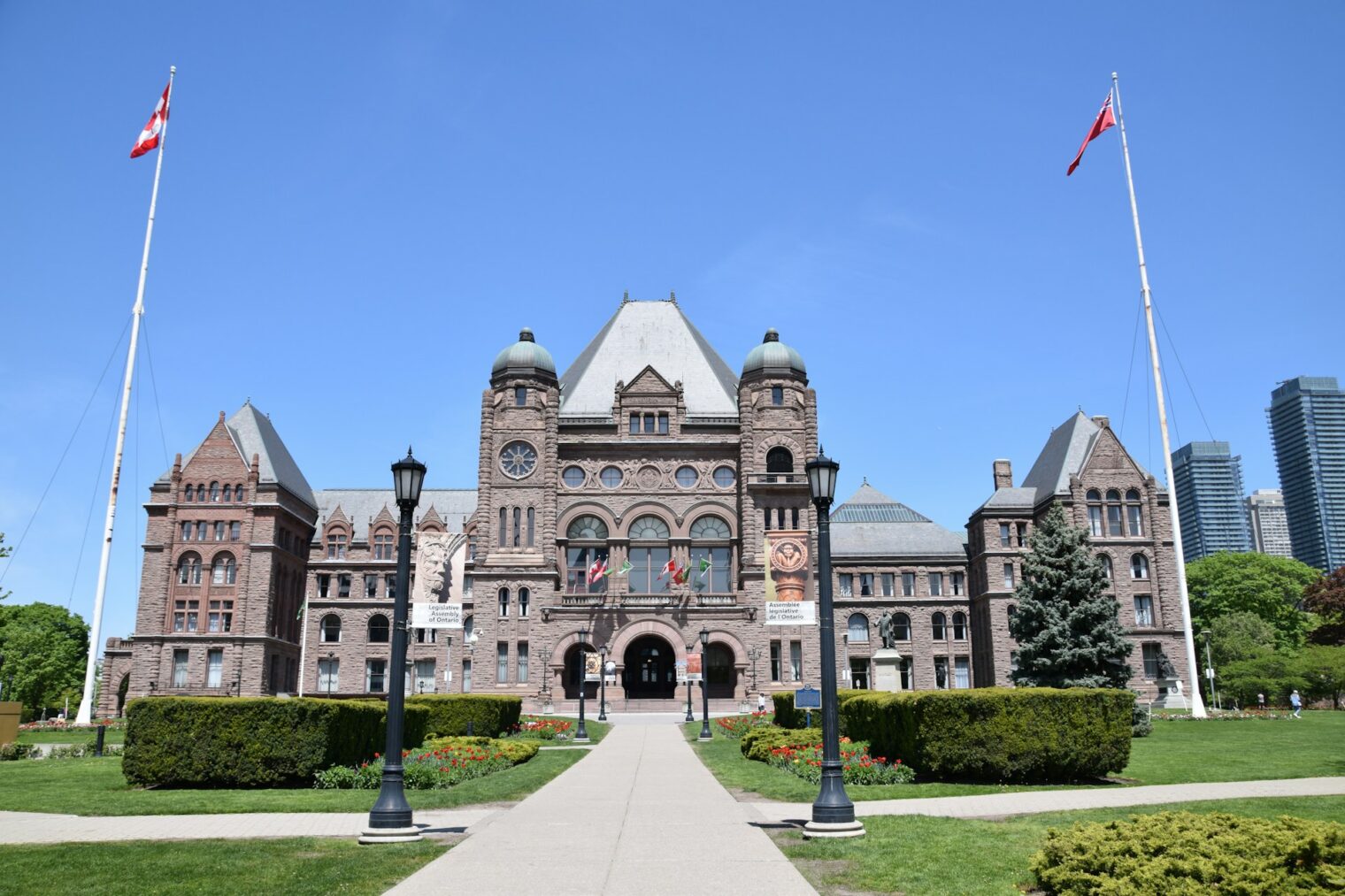
Ontario’s deficit is projected to reach $16.9 billion this fiscal year, with the provincial government pushing its expected return to a balanced budget back one year to 2029-30.
Finance Minister Peter Bethlenfalvy released the fall economic statement Thursday, outlining business tax measures and support for industries affected by U.S. tariffs while revising the province’s financial outlook.
The projected 2026-27 deficit is $3.1 billion higher than the spring budget forecast. Ontario now anticipates deficits of $12.7 billion in 2027-28 and $6.7 billion in 2028-29, followed by a $200-million surplus in 2029-30. The spring budget had projected a surplus in 2028-29.
“Ontario continues to face significant economic uncertainty driven by U.S. tariffs on Canada,” Bethlenfalvy said.
The province expects real gross domestic product to grow by 0.5 per cent in 2026 and 1.5 per cent in 2027. The government identifies ongoing trade actions and broader global uncertainty as challenges facing Ontario’s economy.
Ontario continues to face significant economic uncertainty driven by U.S. tariffs on Canada,
A central measure is the proposed Ontario Competitiveness Tax Cut, which would provide more than $8 billion in additional provincial tax relief over five years. If federal legislation passes, businesses could immediately deduct the full value of a wider range of capital investments, including software and fibre-optic cable.
Combined with measures announced in the spring budget, provincial tax relief for business investment would exceed $12 billion over five years. The government estimates the enhanced incentives would attract at least $11 billion in additional investment and create 30,000 jobs.
"*" indicates required fields
Ontario also proposes restoring capital expenditures as eligible expenses under its research and development tax credits. The province estimates the change would provide more than $50 million in additional support over three years for about 700 businesses.
The statement also outlines an $8.7-billion Canada-Ontario action plan to support the steel, automotive, and critical minerals sectors. The government says the plan will support industrial modernization and domestic supply chains as businesses respond to tariffs.
For households, the statement includes a change to the Ontario Electricity Rebate. Beginning May 1, 2027, the residential credit will apply to a maximum of 1,200 kilowatt-hours of monthly consumption. The province says an average residential customer uses about 700 kilowatt-hours monthly. Farms and small businesses will be exempt from the cap.
The fiscal plan projects $247.3 billion in total expenses in 2026-27, including $17.4 billion in interest and other debt servicing charges. Ontario’s net debt-to-GDP ratio is forecast at 37.4 per cent, rising to 38.9 per cent in 2028-29 before declining.