COP collapse

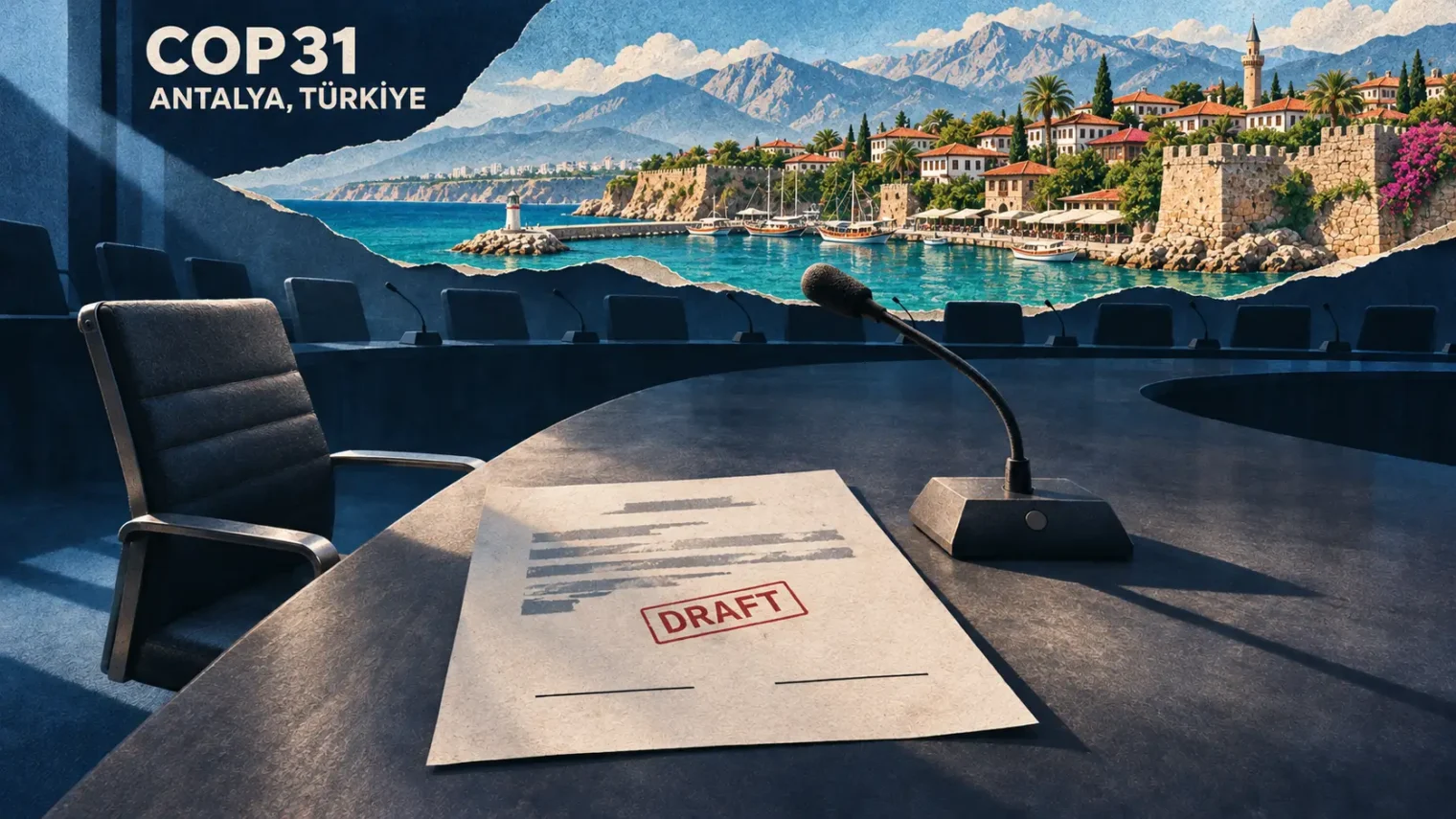
Climate cynics rejoice! The insufferable cabal who has been lining their pockets with our tax dollars by way of ridiculous climate policies appears to finally be on the wane. After decades of apocalyptic warnings about rising sea levels that would submerge communities around the world, heat waves that would inflict serious suffering and death, increasing numbers of weather events such as hurricanes, tornadoes and floods, the elimination of various endangered species, the need for massive taxation of us all so we would reduce our fossil fuel use and other claptrap that never came true, the high priests of climate that meet annually at COP (Conference of the Parties) seem to finally be giving up the ghost.
The first climate COP took place in 1995 in Berlin. The most recent – the 31st – was held in Turkey this month and was co-hosted by Australia. It seems it has taken over 30 years for people to come to their senses. Unlike previous events, this year’s COP effectively collapsed, after having run for two days after its planned conclusion as agreement couldn’t be reached among the parties present. The conference ended without a final agreement, which had been a regular part of previous meetings.
Not surprisingly, oil producing nations such as Saudi Arabia and Russia opposed any reference to the phasing out of fossil fuels in the text, while the European Union, the UK and others opposed the proposed agreement text as they believed it rolled back previous commitments. Apparently the draft text highlighted technologies such as carbon capture and storage, which was opposed by environmental groups as they would have preferred recommendations to completely phase out fossil fuels as opposed to technologies that would reduce fossil fuel emissions.
One of the appealing parts of the COP conferences over the years for less developed countries is that they consistently recommended more funding from developed countries to assist the less developed countries to meet climate commitments. As usual at these meetings, representatives from less developed countries continued to claim that funding timelines were not clear and that funding amounts were insufficient. The expectation of more funding was a key component for the participation of poorer countries in this year’s COP, as it has been in previous years. After all, who wouldn’t want more money for goals that no one ever bothered to check on whether they were actually achieved?
One of the most contentious parts of this COP meeting was how to deal with fossil fuels. In past years, COP statements were dismissive of oil and gas and full of recommendations as to how various carbon taxes, onerous regulations, limitations on internal combustion engine vehicles and other policies were absolutely essential if we were not all about to melt in a climate inferno. Yet experience has now shown how very necessary fossil fuels are for their reliability, low cost and abundant supply, as well as a decent standard of living. The fact that so many predictions of the disasters which would occur due to fossil fuel use and climate change have not materialized also seems to be sinking in to some of the climate alarmists. You can only promote a lie so long before people finally wise up to it.
"*" indicates required fields
One of the perverse outcomes of the various COP conferences was that even though they would come to agreement on some final text that could be publicized, action taken on the recommendations in the texts was often slim to none. The first COP agreement that Canada signed onto was the famous Kyoto Accord, that then-prime minister Jean Chrétien received many kudos for signing onto. Following signing on to this agreement with much fanfare, the Chrétien Liberal government then proceeded to do absolutely nothing to implement it. This was the reality for many countries whose officials signed on to formal COP agreements but then did not implement any of their recommendations.
Even though the recent COP collapse is welcome from the perspective that the climate cult is finally fading, it’s doubtful this cause will disappear quickly. There are still many people whose livelihood depends on perpetuating climate fears, and they will not give up easily. An entire industry has sprung up around the climate cult, and they have absorbed many of our tax dollars in Canada and other countries with little or nothing to show for it. It is estimated that globally, about $16 trillion has been spent on climate-related policies, with virtually no results. We can only imagine how that much money could be used to do worthwhile things such as reduce poverty world-wide.
In Canada, it’s very worrisome that our current prime minister appears to continue his climate crusade despite all factual evidence to the contrary. The Canadian environment minister, Julie Dabrusin, said that the lack of agreement at COP 31 was not what the Liberal government had hoped for. It might be a good idea for this Liberal government to start prioritizing what would actually be beneficial for Canadians, instead of continuing to pursue ideological goals that are not based on fact and have a negative impact on our standard of living and economic growth.